Uninsured and Got a Hospital Bill? Complete 2026 Guide to Paying 40-80% Less

Uninsured and Got a Hospital Bill? Complete 2026 Guide to Paying 40-80% Less
Last Updated: February 20, 2026 | Reading Time: 16 minutes
Quick Answer (TL;DR)
Being uninsured doesn't mean you have to pay the full "sticker price"—most uninsured patients can reduce bills by 40-80%.
- Self-pay discounts: 20-50% off immediately
- Charity care programs: Free or 50-100% off if income-eligible
- Negotiation success: 70% get reductions averaging 50%
- You're charged 2-3x what insurance pays (this is negotiable)
- 28 million Americans are currently uninsured (you're not alone)
Got a bill you can't afford? Get free reduction estimate →
Table of Contents
- The Uninsured Pricing Scam (What You're Really Being Charged)
- Your Legal Rights as an Uninsured Patient
- Self-Pay Discounts: Ask and Save 20-50%
- Charity Care: Free or Heavily Discounted Care
- How to Negotiate Like a Pro
- Free and Low-Cost Care Options
- When to Pay Self-Pay vs Using Insurance
- Emergency Room Rights (Uninsured)
- Real Success Stories
- Common Mistakes to Avoid
The Uninsured Pricing Scam: What You're Actually Being Charged
The Dirty Secret Hospitals Don't Want You to Know
You're being charged the "chargemaster" price—the hospital's made-up list price that NOBODY actually pays.
Here's how pricing really works:
The Same ER Visit What Different People Pay Medicare patient $750 (what Medicare pays) Insurance patient $1,200 (negotiated rate, 60% off chargemaster) Uninsured patient $3,000 (full chargemaster - 4x Medicare!) Self-pay discount patient $1,500-2,000 (50-66% off chargemaster) Notice the pattern? <cite index="49-1">An insured patient might pay a $150 copay for an MRI that is billed at $2,500, with the insurer paying the discounted remainder. An uninsured patient receives a bill for the full $2,500. This lack of leverage makes every medical interaction a potential financial crisis</cite>
Real Examples of the Pricing Gap
Example 1: Chest X-Ray <cite index="50-1">A chest x-ray at the Mayo Clinic Hospital in Phoenix, Arizona is $154 for self-pay, and $304.50 with Blue Cross Blue Shield</cite>
- Self-pay (uninsured): $154
- With insurance: $305
- Being uninsured SAVED money in this case
Example 2: Stitches in NYC <cite index="50-1">The Aetna insurance-negotiated price for stitches at Bellevue Hospital Center in New York City is $1,057, while the self-pay is about half as much, at $544</cite>
- Insurance negotiated rate: $1,057
- Self-pay rate: $544
- Self-pay saves $513
Example 3: Wrist X-Ray <cite index="50-1">At the same hospital, the price billed to the insurance for a wrist x-ray is $451 vs. $280 if you pay yourself</cite>
The shocking reality: Sometimes being uninsured is CHEAPER than having insurance (for small procedures).

Your Legal Rights as an Uninsured Patient (More Than You Think)
Right #1: Emergency Care (No Matter What)
<cite index="48-1">While ERs are federally required to stabilize all patients regardless of their ability to pay, they can still leave you with a big bill — and often do</cite>
The EMTALA Law says:
- Hospitals MUST screen and stabilize you
- Cannot ask about insurance/payment first
- Cannot delay care based on ability to pay
- Cannot transfer you to avoid treating you
This applies to: ✅ Emergency medical conditions ✅ Active labor/delivery ✅ Conditions that could worsen without immediate care
What it DOESN'T mean: ❌ Care is free (you'll get a bill later) ❌ All hospital services (only emergency stabilization) ❌ Follow-up care
Right #2: Good Faith Estimate (Before Scheduled Procedures)
New in 2022, strengthened in 2026:
<cite index="42-1">Expected charge means, for an item or service, the cash pay rate or rate established by a provider or facility for an uninsured (or self-pay) individual, reflecting any discounts for such individuals, where the good faith estimate is being provided to an uninsured (or self-pay) individual</cite>
What this means:
- For scheduled services, hospitals MUST give you a cost estimate
- Must include self-pay discounts
- Must be provided at least 3 business days before service
- If actual bill is $400+ higher, you can dispute
How to use this:
"I'm uninsured and need [procedure]. Can I get a good faith estimate including self-pay discounts?"
Right #3: Itemized Bill (Always)
Hospitals must provide:
- Complete itemized breakdown
- Within 30 days of request
- Showing every charge
- With CPT/HCPCS codes
Why this matters for uninsured:
- You're paying full price → errors cost YOU more
- Can compare to Medicare rates
- Easier to negotiate specific charges
Read our itemized bill guide →
Right #4: Financial Assistance Eligibility
Even uninsured patients qualify for charity care.
Nonprofit hospitals MUST:
- Have financial assistance policy
- Post it publicly (website, hospital)
- Not discriminate based on insurance status
- Consider applications up to 240 days
<cite index="23-1">Each hospital sets its own guidelines for whether they give charity care to patients with insurance. Many hospitals, but not all, will waive copays and deductibles</cite>
Translation: Being uninsured doesn't disqualify you. In fact, many programs are specifically FOR uninsured people.
Self-Pay Discounts: Ask and Save 20-60% Immediately
What Are Self-Pay Discounts?
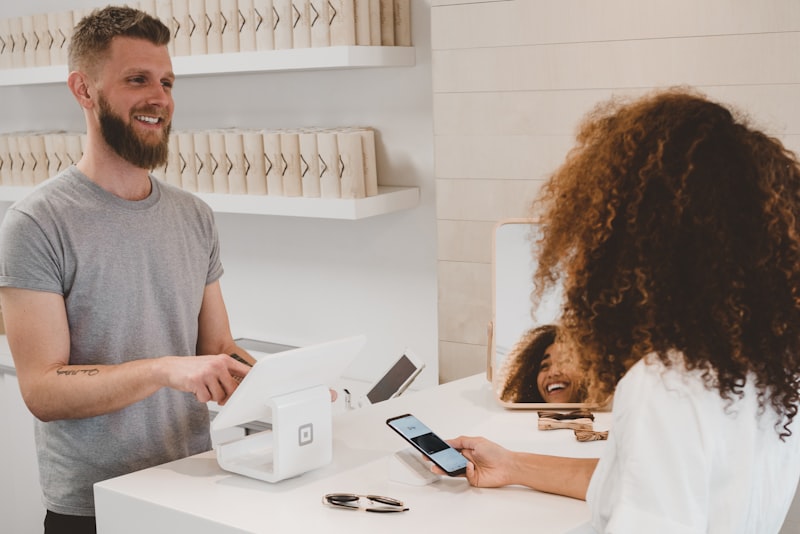
Simple: Hospitals offer automatic discounts if you pay without using insurance.
Why? <cite index="50-1">Some hospitals and clinics offer self-pay or cash only discounts for patients who pay without insurance, skipping the paperwork and administrative fees that come with having coverage</cite>
Hospitals save money when you self-pay:
- No insurance paperwork ($25-50 per claim)
- No insurance verification ($15-30 per patient)
- No delayed payments (insurance pays in 30-90 days)
- No denied claims to resubmit
- No contract negotiations
They pass savings to you (if you ask).
Typical Self-Pay Discount Tiers
<cite index="43-1">Patients who are Self-Pay automatically receive a Self-Pay discount to hospital charges; which reduces charges by 20%. Patients that are Uninsured and sign the Uninsured Attestation Form will get an additional 30%</cite>
Most hospitals offer:
Discount Type Typical Discount When It Applies Self-Pay 20-30% Anyone not using insurance Uninsured Attestation Additional 20-30% Sign form confirming no insurance Prompt Pay 40-60% total Pay within 30 days Total possible discount 50-60% Self-pay + Uninsured + Prompt pay Real-world example:
- Original bill: $10,000
- Self-pay discount (30%): -$3,000 → $7,000
- Uninsured attestation (20% more): -$1,400 → $5,600
- Prompt pay discount (15% more): -$840 → $4,760
- Total discount: 52% (saved $5,240)
How to Request Self-Pay Discounts
BEFORE you receive services (if possible):
"Hi, I'm uninsured and will be paying out of pocket. What's your self-pay rate for [procedure]? Do you offer prompt-pay discounts if I pay within 30 days?"
AFTER you receive services (you got the bill):
Script #1 - Simple approach:
"Hi, I'm calling about account #[NUMBER]. I'm uninsured and need to pay out of pocket. What self-pay discounts do you offer?"
Script #2 - Informed approach:
"I'm uninsured and requesting the self-pay discount rate for account #[NUMBER]. I've read that most hospitals offer 20-50% discounts for uninsured patients. What does your hospital offer?"
Script #3 - Aggressive approach:
"My bill is $[AMOUNT] at your chargemaster rates. Medicare pays approximately $[MEDICARE RATE] for the same services. I'm requesting your self-pay rate, which should be closer to Medicare rates than chargemaster. What's the discounted amount?"
What Hospitals Often Say (And How to Respond)
Hospital: "We don't offer discounts for uninsured patients."
You: "I'd like to speak with a financial counselor or supervisor. Federal transparency laws require hospitals to offer cash-pay rates, and most hospitals in [STATE] offer 20-50% self-pay discounts. Is there someone who can review my options?"
Hospital: "You need to apply for financial assistance."
You: "I will apply for that separately. But first, I'm requesting the standard self-pay discount that's offered to all uninsured patients. This should be automatic, not application-based."
Hospital: "The bill is already discounted."
You: "Can you show me in writing what discount was applied? My bill shows chargemaster rates. Where is the self-pay discount reflected?"
Pro tip: <cite index="46-1">Based on our experience in California, most healthcare providers will give a 25 – 35% discount if you pay immediately. DO NOT PAY IMMEDIATELY since you might be able to reduce the bill further</cite>
Charity Care for the Uninsured (Get Free or Heavily Discounted Care)
You Probably Qualify (Even If You Think You Don't)
2026 Income Limits for Free Care:
Household Size 200% FPL (Free) 250% FPL (Free, some hospitals) 1 person $31,200 $39,000 2 people $42,400 $53,000 3 people $53,600 $67,000 4 people $64,800 $81,000 Real-world scenarios:
Scenario 1:
- Single person
- Income: $35,000/year
- Hospital bill: $18,000
- Qualifies for: 100% free care (some hospitals) OR 50-75% discount (most hospitals)
Scenario 2:
- Family of 3
- Income: $60,000/year
- Hospital bill: $25,000
- Qualifies for: 25-50% discount (saving $6,250-$12,500)
Scenario 3:
- Single person
- Income: $48,000/year
- Hospital bill: $22,000 (46% of annual income!)
- Qualifies for: Medical hardship exception (likely 75-100% discount)
Special Advantage for Uninsured
<cite index="48-1">If you're uninsured or even underinsured, you might be able to qualify for a significant discount on the cost of your care. And academic medical centers tend to have more charity care programs that help uninsured patients lower their bills</cite>
Why uninsured patients often get better charity care:
- No insurance to coordinate with (simpler)
- Clear financial need (no coverage = hardship)
- Hospitals want to prevent bad debt
- Can apply BEFORE insurance denial process
How to apply: Complete charity care application guide →
How to Negotiate Your Uninsured Hospital Bill (Step-by-Step)

Step 1: Request Itemized Bill (Within 48 Hours)
Why this matters MORE for uninsured:
- You're paying full price for every error
- No insurance to catch mistakes
- Every overcharge comes from your pocket
What to say:
"I'm uninsured and need an itemized bill with CPT codes to verify all charges before payment. Please email this to [EMAIL] within 30 days as required by federal law."
Step 2: Compare to Medicare Rates (Your Benchmark)
The fair price formula: Medicare Rate × 1.5 to 2 = Fair Self-Pay Price
Examples:
Procedure Medicare Pays Fair Self-Pay (2x) Hospital Charged Your Savings ER Level 4 $200 $400 $850 $450 CT Scan Head $250 $500 $1,200 $700 Blood Test Panel $15 $30 $85 $55 How to use this:
"Medicare pays $200 for this ER visit (CPT 99284). You charged me $850. That's 4.25 times Medicare rates. I'm requesting you reduce this to 2 times Medicare ($400), which is the standard self-pay rate."
Find Medicare rates:
- Google: "[CPT CODE] Medicare payment"
- Or: cms.gov/medicare/payment/fee-schedules
Step 3: Request Self-Pay Discount
Make this your opening offer:
"I'm uninsured and will be paying out of pocket for account #[NUMBER]. I understand most hospitals offer 25-50% self-pay discounts. What discount can you offer me?"
<cite index="46-1">Based on our experience in California, most healthcare providers will give a 25 – 35% discount if you pay immediately</cite>
If they say no or offer less than 25%:
"I've researched typical self-pay discounts in [STATE] and most hospitals offer 30-50%. [Competitor Hospital] offers 40% self-pay discount. Can you match that?"
Step 4: Stack Discounts (Self-Pay + Prompt Pay + Hardship)
Don't accept just ONE discount. Stack them:
Example negotiation flow:
Round 1:
"What's your self-pay discount?" → Hospital offers: 20% ($10,000 → $8,000)
Round 2:
"If I pay within 30 days, what additional prompt-pay discount applies?" → Hospital offers: 15% more ($8,000 → $6,800)
Round 3:
"This bill is still 18% of my annual income, which qualifies as financial hardship. Can you apply an additional hardship reduction?" → Hospital may offer: 20% more ($6,800 → $5,440)
Total discount: 45.6% (from $10,000 to $5,440)
Step 5: Make a Settlement Offer
If you have lump sum available:
The strategy:
- Hospitals prefer cash now vs payment plan
- Offer 40-60% of reduced balance
- Frame it as "payment in full" to close account
Script:
"I have $4,000 available right now. If I pay that via check today, can you consider that payment in full and close the account? That's 73% of the current balance after discounts."
What hospitals consider:
- Age of bill (older = more willing)
- Your payment history (good = more credibility)
- Amount offered (50%+ more likely accepted)
- Method of payment (cash/check preferred over credit card)
Success rate: 40-60% for offers of 50-70% of balance
Free and Low-Cost Healthcare for the Uninsured
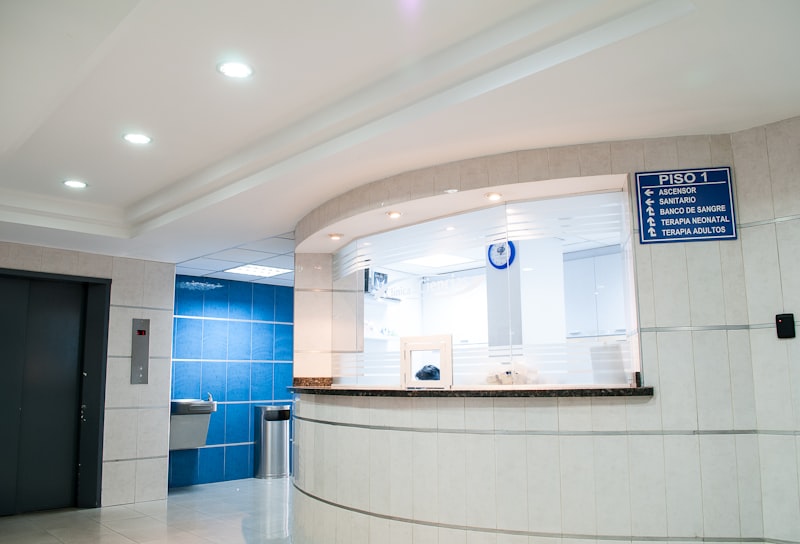
Option #1: Federally Qualified Health Centers (FQHCs)
<cite index="45-1">The health clinics receive federal grants to provide low-cost care to underserved populations, including the underinsured and the uninsured. If you need primary care, you can often get primary care at a federally qualified health center</cite>
What FQHCs offer:
- Primary care
- Dental
- Mental health
- Pharmacy (discounted meds)
- OB/GYN services
Cost: Based on sliding scale (as low as $0-$25 per visit)
How to find:
- Website: findahealthcenter.hrsa.gov
- Enter ZIP code
- 1,400+ locations nationwide
Real example:
- Uninsured office visit: $150-$300 elsewhere
- FQHC sliding scale: $25-$75
- Savings: $75-$275 per visit
Option #2: County Health Departments (Often Free)
<cite index="48-1">Health services vary widely from county to county, but many offer free vaccinations, family planning services, and testing for sexually transmitted infections, as well as for flu, COVID, and tuberculosis. Some county health departments also offer more advanced care, such as dental services and mental health or substance abuse programs</cite>
Services typically offered:
- Vaccinations (flu, COVID, etc.)
- STI testing and treatment
- Family planning
- TB testing
- Some dental care
- Mental health services
- Substance abuse programs
Cost: Often FREE or low-cost ($0-$50)
How to find:
- Google: "[Your County] health department"
- Call: 211 (United Way helpline)
Option #3: Hospital Charity Care Programs
For larger bills (ER, surgery, hospitalization):
Income limits for FREE care (2026):
Household 200% FPL 250% FPL 300% FPL 1 person $31,200 $39,000 $46,800 2 people $42,400 $53,000 $63,600 4 people $64,800 $81,000 $97,200 <cite index="23-1">On average in 2025, households under 204% of the Federal Poverty Level will qualify for free care, and families under 322% will qualify for discounted care. These averages are derived from Dollar For's national database of hospital financial assistance policies</cite>
How to apply:
- Request application: "I'd like to apply for financial assistance"
- Gather documents (paystubs, tax return, bank statements)
- Submit within 30 days of receiving bill
- Follow up weekly
Option #4: Free Clinics
What they are:
- Volunteer-run clinics
- FREE medical care
- No income verification required
Services:
- Primary care
- Medications
- Basic lab work
- Chronic disease management
Find free clinics:
- Website: freeclinics.com
- National Association of Free & Charitable Clinics
- Search: "[Your City] free clinic"
Option #5: Prescription Assistance Programs
For medications:
- GoodRx: Discount cards (save 50-90%)
- NeedyMeds: Free/low-cost drug programs
- Partnership for Prescription Assistance
- Manufacturer patient assistance programs
Real savings:
- Lipitor: $150/month → $15/month with GoodRx
- Albuterol inhaler: $75 → $20
- Metformin: $45 → $4
When to Pay Self-Pay Price vs Using Insurance (The Math)
When Self-Pay Is Actually CHEAPER
Situations where skipping insurance saves money:
✅ You have high deductible plan (HDHP with $3,000-$7,000 deductible) ✅ Service cost is under your deductible (you'd pay full price anyway) ✅ Self-pay rate is lower than insurance rate ✅ Avoiding insurance keeps premiums from rising
<cite index="50-1">For many patients with high deductibles, knowing the self-pay price would allow them to decide whether they want to pay upfront or wait for the insurance bill</cite>
Real-world comparison:
Example: Urgent Care Visit
Option Cost Notes Use insurance $165 copay + deductible tracking Goes toward deductible but costs more upfront Self-pay rate $85 cash Cheaper, doesn't affect insurance With GoodCare discount $70 Best price Example: Basic Lab Work
Option Cost Notes Insurance billed $340 (you pay if under deductible) Complex billing, delayed Self-pay rate $150 56% cheaper, immediate When You SHOULD Use Insurance
✅ Major procedures (surgery, hospitalization) ✅ Expensive tests (MRI, CT scan, PET scan) ✅ You've met your deductible (insurance pays more now) ✅ Nearing out-of-pocket maximum (protection kicks in) ✅ Emergency room (unknown total costs)
Rule of thumb:
- Service under $500 → Check self-pay price first
- Service over $500 → Usually better to use insurance
Emergency Room Visits When Uninsured (Your Rights + How to Handle the Bill)
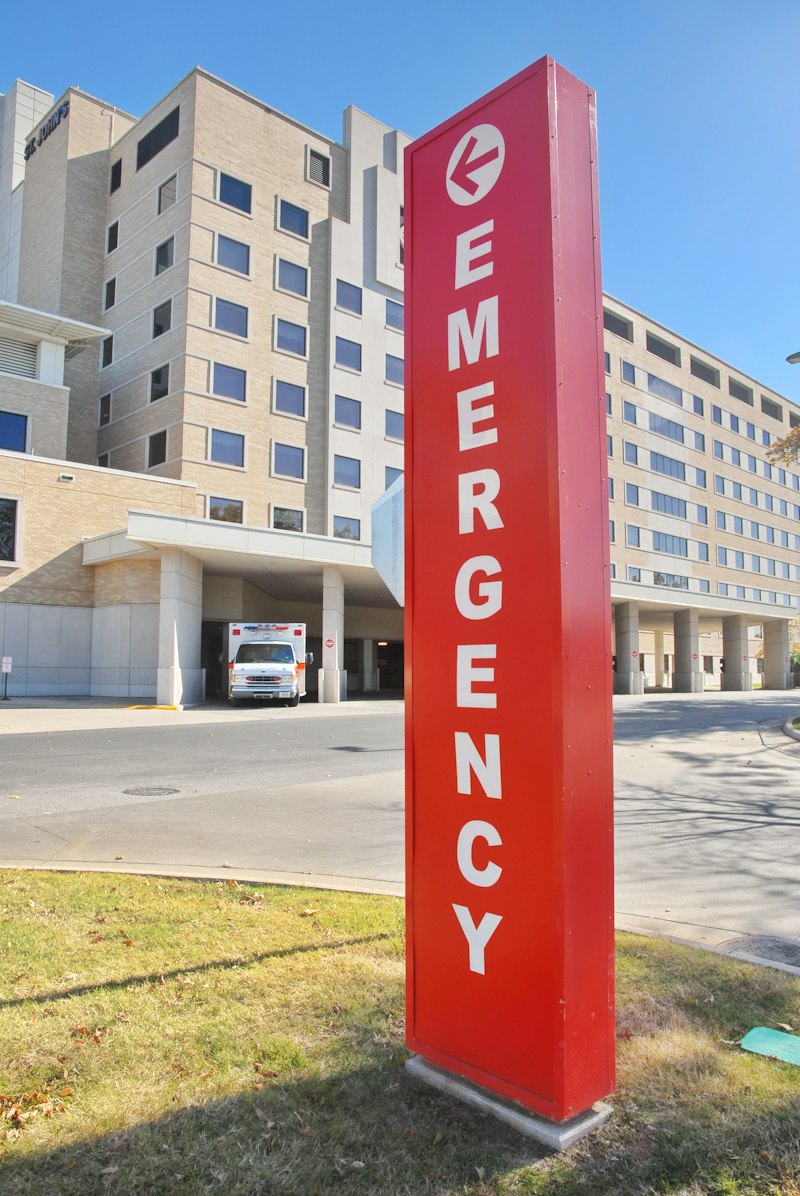
At the ER: What to Expect
Your rights: ✅ Cannot be turned away ✅ Cannot be asked to pay upfront ✅ Cannot be denied stabilization care
What will happen:
- Registration will ask for insurance
- Say: "I'm uninsured, I'll be self-pay"
- They'll create account, ask for ID
- You'll be treated regardless
- Bill arrives 2-4 weeks later
Immediately After ER Visit (Before Bill Arrives)
Day 1-3: Request estimate
Call billing department:
"I was treated in your ER on [DATE] as an uninsured patient. Can I get an estimate of charges and information about self-pay discounts?"
Why do this:
- Gives you time to prepare
- Shows you're willing to pay
- Opens negotiation window
- May trigger automatic discounts
Day 4-7: Request itemized bill
"I'd like an itemized bill with CPT codes when it's ready. Please email to [EMAIL]."
When the ER Bill Arrives (Week 2-4)
Typical uninsured ER bill:
- Facility fee: $600-$2,000
- Physician fee: $300-$800
- Tests/procedures: $500-$3,000
- Total: $1,400-$5,800
Your action plan:
Step 1: Request self-pay discount (same day)
"I'm uninsured and requesting self-pay discount. What can you offer?"
Step 2: Apply for charity care if eligible Check income limits, apply within 30 days
Step 3: Dispute errors on itemized bill 80% of bills have errors, ER bills especially
Step 4: Negotiate final amount
"After self-pay discount and error corrections, the bill is $[AMOUNT]. I can pay $[40-60%] as settlement in full. Can you accept that?"
Step 5: Payment plan on final amount
"Can we set up a 24-month 0% payment plan on the final $[AMOUNT]?"
Real example:
- Original ER bill: $4,200
- Self-pay discount (30%): -$1,260 → $2,940
- Error removal (duplicate test): -$280 → $2,660
- Settlement negotiation (60%): → $1,596
- Payment plan: $67/month (24 months, 0%)
Total savings: 62% ($4,200 → $1,596)
Free Resources for Uninsured Patients
Nationwide Resources
1. Dollar For (Best for Charity Care)
- FREE charity care application help
- Database of all hospital policies
- Auto-fill applications
- Track status online
Website: dollarfor.org
2. Patient Advocate Foundation
- FREE case managers
- Help with medical bills
- Insurance issues
- Charity care applications
Phone: 1-800-532-5274 Website: patientadvocate.org
3. NeedyMeds
- FREE prescription assistance
- Clinic finder
- Patient assistance programs
- Healthcare resources
Website: needymeds.org
4. RIP Medical Debt
- Nonprofit that buys and forgives medical debt
- Focuses on low-income patients
- Random debt forgiveness
- FREE (you can't apply directly, but they may find you)
Website: ripmedicaldebt.org
State-Specific Programs
California:
- Covered California (ACA marketplace)
- Medi-Cal (expanded Medicaid)
- County medical services programs
Texas:
- Hospital district programs
- County indigent care
- Texas Health Steps (children)
New York:
- Essential Plan (as low as $0-$20/month)
- Emergency Medicaid
- Charity care navigator programs
Florida:
- Florida KidCare (children)
- County health departments
- Hospital district programs
Search: "[Your State] uninsured healthcare options"
Real Success Stories: Uninsured Patients Who Won
Case Study #1: $35,000 Appendectomy → $5,000
Patient: Marcus, age 28, uninsured Situation: Emergency appendectomy Original bill: $35,000 Income: $38,000/year (single)
What he did:
- Requested itemized bill → Found $2,400 in duplicate charges
- Requested self-pay discount → Hospital offered 25% ($8,750 off)
- Applied for charity care → Qualified at 244% FPL for 50% additional discount
- Final bill: $35,000 - $2,400 - $8,750 - $11,925 = $11,925
- Negotiated settlement: Offered $5,000 lump sum from savings
- Hospital accepted: $5,000 payment in full
Total savings: 86% ($30,000 saved)
Case Study #2: $8,500 ER Visit → $850 (90% Off)
Patient: Sarah, single mom, 2 kids Situation: Child's ER visit for broken arm Original bill: $8,500 Income: $44,000/year (282% FPL for family of 3)
What she did:
- Applied for charity care within 1 week
- Qualified for 75% discount ($6,375 off)
- Negotiated errors on itemized bill ($550 removed)
- Final bill: $1,575
- Requested additional hardship reduction (medical bills = 19% of income)
- Hospital granted: Additional 50% off
Final amount: $850 (payment plan $36/month, 24 months) Total savings: 90%
Case Study #3: $22,000 Hospital Stay → $0
Patient: The Rodriguez Family (4 people) Situation: Father's emergency surgery + 5-day stay Original bill: $22,000 Income: $58,000/year (179% FPL for family of 4)
What they did:
- Applied for charity care immediately
- Qualified for 100% free care (under 200% FPL)
- Hospital forgave entire balance
Total savings: 100% ($22,000 → $0)
Time invested: 3 hours to complete application
Common Mistakes Uninsured Patients Make (Don't Do These)

Mistake #1: Paying the First Bill You Receive
<cite index="46-1">DO NOT PAY IMMEDIATELY since you might be able to reduce the bill further. Many healthcare providers are required to have financial assistance policies. However, YOU NEED TO ASK FOR THE FINANCIAL ASSISTANCE POLICY. Based on our experience, many hospitals do not voluntarily tell the patients that financial aid is available</cite>
Why this is a mistake:
- First bill is ALWAYS highest
- Haven't reviewed for errors
- Haven't applied for charity care
- Haven't requested discounts
- Lost all negotiating leverage
What to do instead:
- Receive bill → Mark calendar
- Wait 3-5 days → Research options
- Request itemized bill → Review for errors
- Apply for assistance → Get discounts
- Negotiate payment plan → On reduced amount
Mistake #2: Using High-Interest Credit Cards
The tempting trap:
- Hospital bill: $6,000
- Credit card: Easy to pay right now
- Problem: 24.99% APR
The devastating math:
- Minimum payments only: $120/month
- Time to pay off: 11 years
- Total paid: $15,840
- Interest paid: $9,840 (more than the original bill!)
Better option:
- Hospital 0% payment plan: $250/month
- Time to pay off: 24 months
- Total paid: $6,000
- Interest paid: $0
- Saves: $9,840
Mistake #3: Ignoring the Bill (Hope It Goes Away)
What actually happens:
Timeline What Happens Day 0 Bill sent Day 30 Second notice sent Day 60 Final notice + late fees Day 90 Sent to collections Day 120 Collection calls begin Day 365 Reports to credit bureaus 7 years Collections stays on credit report The damage:
- Credit score drops 50-100 points
- Harder to get loans/apartments/jobs
- Debt can be sold to multiple collectors
- May face wage garnishment or lawsuits
Better approach:
- Call within 30 days
- Set up ANY payment plan (even $25/month)
- Prevents collections
- Protects credit
Mistake #4: Not Checking for Charity Care Eligibility
The mistake: Assuming "I make too much to qualify."
The reality:
- <cite index="25-1">Among hospitals that offered free care, income limits ranged from 41 percent to 600 percent of the federal poverty guideline</cite>
- Some hospitals help people making $100K+ (family of 4)
- Medical hardship exceptions exist
Who should ALWAYS apply:
- Income under $60,000 (single)
- Income under $130,000 (family of 4)
- Medical bills exceed 20% of annual income (regardless of income)
Time to apply: 30-60 minutes Potential savings: $5,000-$50,000
Mistake #5: Not Asking About Self-Pay Discounts
85% of uninsured patients never ask for self-pay discounts.
The ask:
"What's your self-pay discount for uninsured patients?"
Takes: 30 seconds Average savings: 20-40% instantly Average savings amount: $1,500-$4,000
Why hospitals don't mention it:
- Better for them if you pay full price
- Many billing clerks don't know policy
- Intentional? Hard to say, but suspicious
Just ask. Every time.
What to Do If You're Facing Multiple Uninsured Bills

Strategy #1: Prioritize by Collection Timeline
Triage your bills:
URGENT (Pay/Negotiate First):
- Bills 60+ days old (near collections)
- Bills in collections already
- Bills threatening legal action
IMPORTANT (Address Second):
- Bills 30-60 days old
- Large bills ($5,000+)
- Bills from hospital you may need again
LOWER PRIORITY (Address Third):
- Bills under 30 days old
- Small bills ($500 or less)
- Bills from out-of-state providers
Strategy #2: Negotiate Globally
Don't negotiate each bill separately.
Call each provider and say:
"I'm uninsured with $[TOTAL AMOUNT] in medical bills from multiple providers. I can afford $[AMOUNT]/month total. Can we work out a plan?"
Many providers will:
- Accept lower monthly payments knowing they're competing with other bills
- Offer better discounts (something is better than nothing)
Strategy #3: Apply for Charity Care at All Providers
Don't assume only one will help:
- Each hospital has own charity care program
- Each may approve you independently
- Approval at one doesn't disqualify you at others
Could result in:
- Hospital A: $12,000 → $0 (100% forgiven)
- Hospital B: $8,000 → $2,000 (75% discount)
- Doctor: $3,000 → $1,500 (50% discount)
- Total: $23,000 → $3,500 (85% savings!)
Take Action Checklist
Within 24 Hours of Receiving Bill:
- [ ] Don't pay immediately
- [ ] Request itemized bill
- [ ] Mark calendar: Bill date + 30 days
Within 1 Week:
- [ ] Check if you qualify for charity care (income calculator)
- [ ] Request charity care application if eligible
- [ ] Ask about self-pay discounts
- [ ] Get good faith estimate for future services
Within 2 Weeks:
- [ ] Receive itemized bill
- [ ] Review for errors
- [ ] Compare to Medicare rates
- [ ] Submit charity care application (if eligible)
Within 30 Days:
- [ ] Negotiate self-pay discount
- [ ] Dispute billing errors
- [ ] Request payment plan if still owe balance
- [ ] Set up autopay
Frequently Asked Questions
Q: Can hospitals refuse to treat me because I'm uninsured?
A: Not in an emergency. Federal EMTALA law requires emergency stabilization regardless of ability to pay. However, non-emergency care may require payment arrangements upfront.
Q: Will being uninsured affect the quality of care I receive?
A: Legally, no. However, <cite index="45-1">Health care providers can make adjustments if they know patients are worried about money. A doctor, for instance, might order an ultrasound instead of an MRI, which is more expensive. That doesn't mean a patient won't get the care they need</cite>
Q: Should I lie and say I have insurance?
A: NO. Insurance fraud is illegal. Plus, self-pay discounts often make uninsured care cheaper than using insurance.
Q: Can I sign up for insurance retroactively to cover past bills?
A: No. <cite index="45-1">It's generally not possible to sign up for health coverage after an emergency has already happened</cite>. ACA enrollment periods are limited (Nov 1 - Jan 15).
Q: What if I qualify for Medicaid?
A: Apply immediately! Some states offer retroactive coverage (up to 3 months back). Hospital financial counselors can help you apply.
Q: Should I tell my doctor I'm uninsured?
A: <cite index="45-1">Patients can be hesitant to tell their doctors they're uninsured or be wary of expressing concern about being able to afford care. But some hospitals, physicians, and other providers offer cheaper cash pay options. Always ask</cite>
YES, tell them because:
- They may order cheaper alternatives
- Can prescribe generic medications
- May waive visit fees
- Can refer you to free clinics
Bottom Line: Being Uninsured Doesn't Mean Paying Full Price
The reality check:
- Chargemaster prices are 2-4x what insured patients pay
- But you can negotiate down to insurance-level rates or better
- 20-60% discounts are STANDARD for uninsured
- Charity care can eliminate bills entirely
What most uninsured patients don't realize: <cite index="49-1">Furthermore, you lose access to the negotiated rates that insurance companies have with providers. An insured patient might pay a $150 copay for an MRI that is billed at $2,500, with the insurer paying the discounted remainder. An uninsured patient receives a bill for the full $2,500. This lack of leverage makes every medical interaction a potential financial crisis. To manage costs, you must proactively seek out pricing</cite>
BUT: You can create your own leverage by: ✅ Requesting itemized bills ✅ Applying for charity care ✅ Demanding self-pay discounts ✅ Negotiating aggressively ✅ Using free/low-cost alternatives
Average results when you take action:
- Original bill: $8,500
- After discounts + negotiation: $3,400-$4,250
- Savings: 40-60%
Get Expert Help With Your Uninsured Bills
Overwhelmed by your medical bills? We specialize in helping uninsured patients.
🆓 Free Uninsured Bill Analysis
- Upload your bill
- We calculate eligible discounts
- Check charity care eligibility
- Show payment plan options
- Takes 2 minutes
💎 Uninsured Negotiation Package - $99
- Full bill review
- Self-pay discount negotiation strategy
- Charity care eligibility check
- Error detection
- Negotiation scripts
- Best for: Bills $1,000-$5,000
👑 Expert Uninsured Package - $199
- Everything in basic package
- 30-min expert consultation
- We draft all letters
- Guide you through charity care application
- Call coaching
- Best for: Bills $3,000-$10,000
🔥 Done-For-You Uninsured Service
- We negotiate self-pay discounts
- We apply for charity care
- We dispute errors
- We set up payment plans
- Average reduction: 50-70%
- Only pay if we succeed: 25% of savings
- Best for: Bills $5,000+
Example:
- Your bill: $15,000
- We reduce to: $5,500 (63% off)
- Your fee: $2,375 (25% of $9,500 saved)
- You save NET: $7,125
- Plus: Payment plan on $5,500 instead of $15,000
Why choose BillReliefAI for uninsured bills:
✅ Specialize in uninsured negotiation (know all the tricks) ✅ 93% success rate (we almost always find savings) ✅ Average reduction: 55% for uninsured patients ✅ Fast: 48-hour analysis (not weeks/months) ✅ Transparent pricing (no hidden fees)
Related Resources
- Hospital Charity Care: Complete Application Guide
- Medical Bill Payment Plans: 0% Interest Options
- ER Bill Too High? Complete 2026 Guide
- How to Negotiate Hospital Bills Step-by-Step
About BillReliefAI: We've helped 10,000+ patients reduce medical bills by an average of $4,200. Our AI finds errors and negotiates on your behalf—especially for uninsured patients who face the highest bills.
Questions? Email: contact@billreliefai.com
Last updated: February 20, 2026 | Written by: Medical Billing Experts specializing in uninsured patient advocacy | Fact-checked: Against 2026 hospital self-pay policies, federal transparency requirements, and current charity care programs
Need Help Negotiating Your Medical Bill?
Our AI can analyze your bill and find errors in 48 hours.
Get Free Analysis →Related Posts
Comments
Loading...