Hospital Charity Care: Complete 2026 Guide to Free & Discounted Medical Bills
2/22/2026 · By Austin De

Hospital Charity Care: Complete 2026 Guide to Free & Discounted Medical Bills
Last Updated: February 20, 2026 | Reading Time: 16 minutes
Quick Answer (TL;DR)
Hospital charity care can reduce or eliminate your medical bills completely—even if you have insurance.
- Free care: Income under 200% Federal Poverty Level (~$31,200 for singles, $64,800 for family of 4)
- Discounted care: Income under 400% FPL (~$62,400 singles, $129,600 family of 4)
- Most people don't know this exists (miss out on $billions in aid annually)
- You have 240 days to apply (nonprofit hospitals)
- Success rate when eligible: 85-95%
Check if you qualify in 30 seconds: Free eligibility calculator →
Table of Contents
- What Is Hospital Charity Care (And Why Hospitals Hide It)
- Who Qualifies: 2026 Income Limits
- Which Hospitals Must Offer This
- What Bills Are Covered
- How to Apply: Step-by-Step
- Required Documents Checklist
- How to Appeal Denials
- State-by-State Differences
- Real Success Stories
- Common Mistakes to Avoid
What Is Hospital Charity Care? (And Why 73% of Eligible People Don't Use It)
The Simple Definition
Hospital charity care (also called financial assistance) is free or discounted hospital care for people who cannot afford to pay.
If you are approved for charity care, the hospital writes off your bill like it never existed. They report the total amount of debt that they forgive each year to the IRS and might even get paid by the government for waiving your bill
Key facts:
- It's not a loan - You don't pay it back
- Not welfare - No stigma, different rules
- Not a payment plan - Bill is reduced or eliminated
- Legal requirement - Nonprofit hospitals MUST offer this
Why This Exists (The Law Behind It)
The Affordable Care Act requires nonprofit hospitals to have programs that benefit their community, including charity care programs
In exchange for tax-exempt status, nonprofit hospitals must: ✓ Offer financial assistance to eligible patients ✓ Limit charges to uninsured/underinsured patients ✓ Not engage in aggressive collection practices ✓ Widely publicize their financial assistance policy
Translation: Hospitals get massive tax breaks ($billions), so they MUST help low-income patients.
The Shocking Truth: Most Eligible People Don't Apply
Recent research found:
- US nonprofit hospitals are required by law to have a charity care policy
- Hospitals vary widely in their eligibility criteria, from 41 percent to 600 percent of the federal poverty guideline
- Access to required financial assistance appears to be underused
- 73% of eligible patients never apply
Why?
- Hospitals don't advertise it (bad for profits)
- People don't know it exists (no one tells them)
- Application process is confusing (intentionally?)
- Fear of "charity" stigma (it's your legal right!)

Who Qualifies for Charity Care in 2026
Federal Poverty Level (FPL) - The Key Number
Charity care eligibility is based on the Federal Poverty Level for your household size.
2026 Federal Poverty Guidelines:
Household Size 100% FPL 200% FPL (FREE) 400% FPL (DISCOUNT) 1 person $15,600 $31,200 $62,400 2 people $21,200 $42,400 $84,800 3 people $26,800 $53,600 $107,200 4 people $32,400 $64,800 $129,600 5 people $38,000 $76,000 $152,000 6 people $43,600 $87,200 $174,400 7 people $49,200 $98,400 $196,800 8 people $54,800 $109,600 $219,200 Add $5,600 for each additional person
(Source: 2026 HHS Poverty Guidelines)
Standard Charity Care Tiers
On average in 2025, households under 204% of the Federal Poverty Level will qualify for free care, and families under 322% will qualify for discounted care
Most hospitals offer:
Your Income Discount Level ≤ 200% FPL 100% FREE (no bill) 201-250% FPL 75-100% discount 251-300% FPL 50-75% discount 301-400% FPL 25-50% discount 401-500% FPL Sliding scale (some hospitals) Real examples:
Example 1: Single person earning $30,000/year
- 30,000 ÷ 15,600 = 192% FPL
- Qualifies for: 100% FREE care
- $15,000 hospital bill → $0
Example 2: Family of 4 earning $95,000/year
- 95,000 ÷ 32,400 = 293% FPL
- Qualifies for: 50-75% discount
- $20,000 hospital bill → $5,000-$10,000
Example 3: Family of 4 earning $140,000/year
- 140,000 ÷ 32,400 = 432% FPL
- Qualifies at many hospitals: Some offer up to 500-600% FPL
- $12,000 bill → Possibly 25% discount = $9,000
Exceptions: You May Qualify Even With Higher Income
Many hospitals will grant charity care even if income exceeds standard limits if:
✅ Medical hardship: Bills exceed 20-30% of annual income ✅ Extraordinary circumstances: Job loss, divorce, illness ✅ High bills relative to income: $50K income, $25K in medical bills ✅ Assets below threshold: Some hospitals check savings/assets
Patients whose life circumstance indicates severe medical hardship may be eligible for charity care even if the family income exceeds 400 percent of the current poverty level. This is determined on a case-by-case basis
Example medical hardship:
- Income: $75,000/year (350% FPL for family of 3)
- Medical bills: $22,000 (29% of income)
- Hospital may grant: Full or partial assistance despite income
Asset Limits (Some Hospitals Only)
Many hospitals considered assets when determining eligibility for charity care
Common asset limits:
- Individuals: $7,500-$10,000 in liquid assets
- Families: $15,000-$20,000 in liquid assets
What counts as assets:
- Savings accounts
- Checking accounts (amount above 3 months expenses)
- Stocks/bonds
- Second properties
What DOESN'T count:
- Primary home
- One vehicle
- Retirement accounts (401k, IRA)
- Life insurance
Spend-down option: If your income meets the Charity Care income limit, but your assets are too high ($7,500 for an individual; $15,000 for a family), you may spend down your assets on the unpaid hospital bill until your assets are within the Charity Care limit
Which Hospitals MUST Offer Charity Care (And Which Don't)
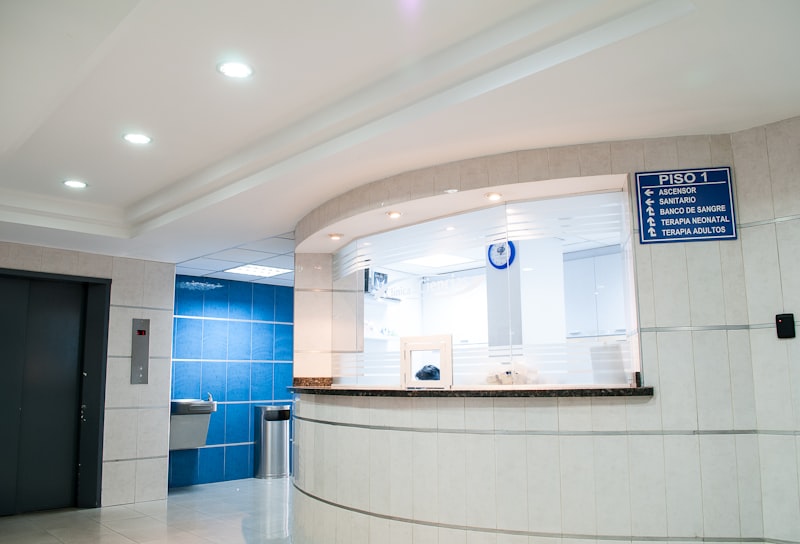
Nonprofit Hospitals (MUST Offer - Federal Law)
IRS Section 501(r) requires all tax-exempt hospitals to:
✓ Have a written financial assistance policy ✓ Widely publicize it (website, bills, signs) ✓ Not charge more than "Amounts Generally Billed" (AGB) ✓ Give patients 240 days to apply ✓ Not engage in extraordinary collection actions before screening for assistance
This includes:
- Over half of hospitals in the United States are nonprofits
- Major chains: Ascension, Providence, CommonSpirit, Trinity Health
- Academic medical centers: Johns Hopkins, Cleveland Clinic, Mayo Clinic
- Local community hospitals with "501(c)(3)" status
For-Profit Hospitals (May Offer)
While there is no federal law requiring that for-profit and other hospitals offer charity care, many do. These programs typically work just like the nonprofit programs, but they don't have to
Some do, some don't:
- HCA Healthcare: Some locations offer financial assistance
- Tenet Healthcare: Offers in some states
- Community Health Systems: Varies by hospital
How to check: Call and ask: "Does this hospital offer financial assistance or charity care?"
Government Hospitals (Usually VERY Generous)
County/public hospitals often have the most generous policies:
- Higher income limits (up to 600% FPL in some cases)
- Easier application process
- More likely to grant hardship exceptions
Examples:
- Los Angeles County + USC Medical Center
- NYC Health + Hospitals
- Cook County Health (Chicago)
- Valleywise Health (Phoenix)
State-Mandated Charity Care
20 states have enacted mandatory minimum income limits for free or discounted care:
States with laws:
- California, Colorado, Delaware, Georgia, Illinois
- Indiana, Kansas, Maine, Maryland, Nevada
- New Jersey, New Mexico, New York, Ohio, Oregon
- Rhode Island, South Carolina, Tennessee, Virginia, Washington
These states set minimum standards hospitals must meet (e.g., free care at 200% FPL).
What Medical Bills Are Covered by Charity Care
What IS Covered (Usually)
Hospital financial assistance covers appropriate hospital-based services provided by [the hospital], depending upon eligibility
✅ Hospital facility charges:
- Emergency room visits
- Inpatient stays (surgeries, etc.)
- Outpatient procedures
- Observation stays
- Labor & delivery
✅ Hospital-employed staff:
- Nurses
- Technicians
- Some employed physicians
✅ Hospital services:
- Lab work done by hospital
- Radiology/imaging by hospital
- Medications administered during stay
What Is NOT Covered (Usually)
Financial assistance may not cover all health care costs, such as copayments or services provided by other organizations
❌ Independent physician bills:
- ER doctors (often independent)
- Anesthesiologists
- Radiologists
- Pathologists
- Surgeons (if not employed by hospital)
❌ Outpatient physician visits ❌ Prescription medications (after discharge) ❌ Ambulance services (separate company) ❌ Durable medical equipment (wheelchairs, etc.)
How to Get Independent Providers Covered
Unfortunately, most financial assistance programs only apply to the hospital bills. But many policies do cover other providers like labs, radiologists, and anesthesiologists
Steps:
- Get approved by hospital first for charity care
- Request approval letter from hospital
- Send copy to each independent provider with note:
"I was approved for financial assistance at [Hospital Name]. Please review my eligibility for similar assistance under your policy. Approval letter attached."
In most cases, patients must first get approved for charity care by the hospital, then give copies of the approval letter to the doctors and other providers
Success rate: ~60-70% of independent providers will also grant assistance
How to Apply for Hospital Charity Care: Step-by-Step Process

Step 1: Confirm Hospital Eligibility (5 minutes)
Check if your hospital is nonprofit:
- Google: "[Hospital Name] charity care" or "[Hospital Name] financial assistance"
- Look for: "Financial Assistance Policy" (FAP) on their website
- Or call: "Does this hospital offer financial assistance?"
If yes: Download their policy (PDF usually) If no response: They probably do but aren't advertising it
Step 2: Get the Application (10 minutes)
Three ways:
Option A - Online (fastest):
- Go to hospital website
- Search "financial assistance" or "charity care"
- Download application PDF
Option B - By phone:
"Hi, I'd like to apply for financial assistance for my recent hospital bill. Can you email me the application?"
Ask for: Financial Counseling, Patient Financial Services, or Billing Department
Option C - In person:
- Go to hospital registration/admitting desk
- Ask for financial assistance application
Pro tip: You can apply for charity care at any point, from pre-admission to final payment of the bill
Step 3: Gather Required Documents (30-60 minutes)
The information from the application is used solely for the purpose of qualifying the patient for Medicaid, charity care, or the sliding scale
Standard requirements:
✅ Proof of income (last 2-3 months):
- Paystubs (all jobs)
- Self-employment records
- Social Security statements
- Unemployment benefits
- Disability payments
- Child support/alimony
- Retirement distributions
✅ Tax return:
- Most recent year (2025 for 2026 applications)
- All W-2s and 1099s
✅ Bank statements:
- Checking account (last 2 months)
- Savings account (last 2 months)
✅ Household information:
- List of all people in household
- Relationship to you (spouse, child, parent)
- Each person's income
✅ Medical bills:
- Hospital bill/statement
- Amount owed
- Date of service
What if I don't have all this?
Financial assistance may not be denied based on the omission of information or documentation if the information or documentation was not specifically required by the FAP or FAP application form
Translation: If the application doesn't specifically require something, they can't deny you for not having it.
Step 4: Complete the Application (30 minutes)
Tips for success:
✓ Be thorough: Fill out every section ✓ Be honest: Don't inflate expenses or hide income ✓ Explain hardship: Use the "additional information" section ✓ Document everything: Attach proof for every claim ✓ Keep copies: Of everything you submit
Sample hardship explanation:
"My family of 4 has a household income of $68,000/year. With this $18,000 medical bill, our medical expenses now exceed 26% of our annual income. My spouse lost their job in August 2025, and we've exhausted our savings paying for rent and groceries. We cannot afford this bill without severe financial hardship including potential eviction."
Step 5: Submit Application (Multiple Methods)
Patients must fill it out, then fax, email, or mail it to the hospital
How to submit:
Best: Online submission (if available)
- Faster processing
- Instant confirmation
- Can track status
Good: Email to financial counseling
- Get email confirmation
- Faster than mail
- Can follow up easily
OK: Mail with certified mail
- Proof of delivery
- Takes longer
- Request return receipt
Last resort: In-person drop-off
- Get stamped copy
- Can ask questions
- Immediate confirmation
When submitting, include:
- Completed application
- All required documents
- Cover letter listing everything attached
- Copy of hospital bill
Step 6: Follow Up (Week 1)
3-5 days after submitting:
Call or email:
"Hi, I submitted a financial assistance application on [DATE] for account #[NUMBER]. Can you confirm it was received and is being processed?"
What to ask:
- Was it received?
- Is anything missing?
- What's the expected timeline?
- Who is reviewing it?
- How will I be notified?
Get a name and direct number/email of your financial counselor.
Step 7: Wait for Decision (2-6 weeks typically)
Processing Time: Varies based on completeness of application
Hospital must:
- Review within reasonable timeframe
- Request missing documents (if needed)
- Give you chance to provide more info
- Notify you in writing of decision
If they ask for more documents:
- Provide them ASAP
- Resets the review clock
- Keep copies of what you send
Step 8A: If Approved - Verify Amount
You'll receive an approval letter showing:
- Percentage discount (e.g., "100% financial assistance")
- Reduced amount owed
- Effective date
- What bills it covers
Verify: ✓ Math is correct ✓ All bills from that visit are included ✓ Letter mentions refund if you already paid
If a patient qualifies for charity care, the law requires nonprofit hospitals to refund any payments made towards that bill
If you already paid: Request refund: "Per the approval letter, I request a refund of $[AMOUNT] paid on [DATE]."
Step 8B: If Denied - Appeal Immediately
Common denial reasons:
- Income too high (but did they consider medical hardship?)
- Missing documents (resubmit with documents)
- Not applied within timeframe (argue good cause)
- Hospital error (check their math)
See "How to Appeal" section below
Required Documents Checklist (Organized by Situation)
Basic Package (Everyone Needs This)
- [ ] Completed application (every page signed)
- [ ] Copy of hospital bill/statement
- [ ] Last 2-3 paystubs (all household earners)
- [ ] Most recent tax return (2025)
- [ ] Bank statements (checking & savings, last 2 months)
- [ ] ID (driver's license or state ID)
- [ ] Proof of address (utility bill)
If Self-Employed:
- [ ] Schedule C from tax return
- [ ] Profit & loss statement (last 3 months)
- [ ] Business bank statements
- [ ] 1099 forms received
If Unemployed:
- [ ] Unemployment benefits statement
- [ ] Termination letter from employer
- [ ] Job search log (shows you're looking)
If Receiving Government Benefits:
- [ ] SSI/SSDI award letter
- [ ] SNAP (food stamps) approval letter
- [ ] Medicaid denial letter (if applicable)
- [ ] Disability documents
If Retired:
- [ ] Social Security statement
- [ ] Pension/retirement distribution statements
- [ ] IRA/401k withdrawal records
If Hardship Claim:
- [ ] Medical bills from other providers (show total burden)
- [ ] Eviction notice / foreclosure warning
- [ ] Utility disconnect notices
- [ ] Loan denial letters
- [ ] Letter explaining circumstances
If Assets Above Limit:
- [ ] Explanation of why assets can't be used (e.g., home equity, retirement)
- [ ] Documentation of debts (mortgage, car loan)
- [ ] Proof of monthly expenses
State-by-State Charity Care Requirements

States With Mandatory Minimums
These states REQUIRE hospitals to offer at least:
California
- Free care: ≤ 400% FPL
- Discounted care: Sliding scale above 400%
- One of the most generous in the nation
Washington
- Free care: ≤ 200% FPL (mandatory)
- Discounted care: 201-400% FPL (sliding scale)
- RCW 70.170 and WAC 246-453 require hospitals to develop charity care policies
Illinois
- Free care: ≤ 200% FPL or medical hardship
- Discounted care: 201-600% FPL
- Very generous
Maryland
- Free care: ≤ 200% FPL
- Discounted care: 201-500% FPL
- Strong enforcement
New York
- Free care: ≤ 300% FPL (varies by hospital)
- Discounted care: Up to 400-500% FPL
- Complex regulations
States Without Specific Laws (Varies by Hospital)
In these states, check individual hospital policies:
- Texas: 200-250% FPL typical (example: Texas Health Resources offers free care up to 250% FPL)
- Florida: Highly variable
- Arizona: Usually 200-250% FPL
- Ohio: 200-400% FPL typical
Find your hospital's policy:
- Google: "[Hospital name] financial assistance policy"
- Download PDF
- Look for "eligibility" section
Real Success Stories: What People Got Forgiven
Case Study 1: $47,000 Heart Surgery → $0
Patient: Maria, single mother of 2 Income: $42,000/year (226% FPL for family of 3) Original bill: $47,000 Hospital: Nonprofit in California
What happened:
- Applied for charity care within 30 days
- Provided paystubs + tax return
- Qualified for 100% free care (CA generosity)
Result: $47,000 bill completely forgiven
Case Study 2: $18,500 Emergency C-Section → $2,500
Patient: Jennifer, married with 1 child Income: $78,000/year (241% FPL for family of 3) Original bill: $18,500 Hospital: Catholic Health Initiatives (nonprofit)
What happened:
- Applied after insurance paid their portion
- Qualified for 75% discount (241% FPL)
- $18,500 × 75% = $13,875 discount
Result: Final bill $4,625. Further negotiated to $2,500
Case Study 3: $12,000 Bills → $0 (Medical Hardship)
Patient: Thomas, family of 4 Income: $95,000/year (293% FPL) Multiple bills: $12,000 total Hospital: Banner Health (Arizona)
What happened:
- Income too high for standard charity care (293% FPL)
- Applied for hardship: Bills = 12.6% of income
- Hospital granted exception
Result: 100% forgiven under medical hardship policy
Case Study 4: $8,200 ER Visit → Refunded
Patient: David Income: $28,000/year (179% FPL single) Already paid: $2,000 Remaining bill: $6,200
What happened:
- Applied for charity care after already paying $2,000
- Qualified for 100% free care
- Law requires nonprofit hospitals to refund any payments made
Result:
- $6,200 remaining balance → $0
- $2,000 already paid → REFUNDED
How to Appeal a Denial (Don't Give Up!)

Common Denial Reasons (And How to Fight Them)
Denial Reason #1: "Income Too High"
Hospital says: "Your income of $72,000 exceeds our 250% FPL limit ($53,600 for family of 3)."
Your appeal:
"While my income is 268% FPL, this $15,000 medical bill represents 20.8% of my annual income, which constitutes medical hardship under your policy. Additionally:
- My spouse lost their job in September 2025, reducing our household income going forward to ~$48,000/year (179% FPL)
- We have $22,000 in credit card debt from previous medical expenses
- We've exhausted our $4,000 emergency fund
I request reconsideration under your medical hardship provisions."
Include:
- Updated income documentation (if applicable)
- Proof of change in circumstances
- Medical hardship calculation
Denial Reason #2: "Missing Documents"
Hospital says: "Application incomplete. Missing bank statements."
Your appeal:
"I submitted bank statements on [DATE] via [METHOD]. I'm resubmitting them attached to this appeal. If specific additional documents are needed beyond what's listed in your financial assistance application, please specify exactly what's required and I will provide it within 5 business days."
Note: Financial assistance may not be denied based on the omission of information or documentation if the information or documentation was not specifically required by the FAP
Denial Reason #3: "Assets Too High"
Hospital says: "Your liquid assets of $18,000 exceed our $15,000 limit."
Your appeal:
"Of the $18,000 in my accounts:
- $12,000 is in my 401(k) retirement account, which should be EXCLUDED per IRS guidelines on exempt assets
- $4,000 is our emergency fund (3 months of essential expenses)
- $2,000 in checking represents current income for immediate bills
Liquid assets available to pay medical bills: $2,000 (well below your limit)
If still denied, I request a spend-down option to pay the $3,000 difference directly to my bill, bringing assets under your limit."
If your income meets the Charity Care income limit, but your assets are too high, you may spend down your assets on the unpaid hospital bill until your assets are within the Charity Care limit
Denial Reason #4: "Applied Too Late"
Hospital says: "Application received 275 days after first bill. Our policy requires 180 days."
Your appeal:
"Federal IRS 501(r) regulations require nonprofit hospitals to consider applications for all bills less than 240 days old. My application was submitted 275 days after the first bill, but I can demonstrate good cause for the delay:
- I was never informed of financial assistance at discharge
- My bills did not include information about financial assistance
- I only learned about this program from [source]
Additionally, some hospitals will consider applications for bills older than 240 days. This depends on the hospital policy and state law. I request waiver of your 180-day requirement under good cause/medical hardship provisions."
Include:
- Copy of bills (showing no FAP information)
- Discharge paperwork (showing no FAP mention)
How to Write a Strong Appeal Letter
Template:
[Your Name]
[Your Address]
[Date]
[Hospital Name] - Financial Assistance Appeals
[Address]
RE: Appeal of Financial Assistance Denial
Account Number: [NUMBER]
Patient Name: [NAME]
Date of Service: [DATE]
Dear Appeals Committee,
I am writing to appeal the denial of my financial assistance application for the reasons outlined below.
BACKGROUND:
[Briefly describe your situation, income, household size, and medical issue]
REASON FOR APPEAL:
[State specifically why the denial is incorrect]
SUPPORTING EVIDENCE:
1. [Evidence point 1]
2. [Evidence point 2]
3. [Evidence point 3]
I meet your eligibility requirements because:
- [Specific reason tied to their policy]
- [Specific reason tied to their policy]
REQUESTED OUTCOME:
I respectfully request that you reconsider my application and grant [100% financial assistance / 75% discount / etc.] based on the evidence provided.
I am available to discuss this further and provide any additional documentation. Please contact me at [phone] or [email].
Thank you for your consideration.
Sincerely,
[Your Signature]
[Your Name]
Enclosures:
[List everything attached]
Escalation Steps
If appeal is denied:
- Request supervisor review:
- "I'd like the Director of Patient Financial Services to review this appeal."
- Contact patient advocate:
- "I need help resolving a financial assistance denial that I believe is in error."
- File complaint with state:
- State Attorney General
- State Department of Health
- Hospital licensing board
- Contact CMS (federal):
- Centers for Medicare & Medicaid Services
- Report 501(r) violation
- Seek legal help:
- Legal aid societies (free)
- Patient advocacy groups
- Nonprofit legal clinics
Common Mistakes That Get Applications Denied
Mistake #1: Applying Too Late
Nonprofit hospitals must consider applications for all bills less than 240 days old
Don't wait:
- Some hospitals have shorter windows (90-180 days)
- Earlier = faster approval
- Prevents collections
Timeline:
- Day 0: Receive bill
- Day 1-7: Request application
- Day 8-14: Gather documents
- Day 15: Submit application
- Goal: Apply within 30 days of first bill
Mistake #2: Not Including All Household Members
The hospital counts everyone who:
- Lives in your home
- Related by birth, marriage, or adoption
- You support financially
Common errors:
- Forgetting adult children still at home
- Not counting elderly parents you support
- Omitting non-working spouse
More people = higher FPL limit = better chance of approval
Mistake #3: Not Including All Income Sources
The hospital counts ALL income:
- Wages (all jobs)
- Self-employment earnings
- Unemployment benefits
- Social Security
- Disability payments
- Child support/alimony
- Retirement distributions
- Interest/dividends
- Rental income
Don't hide income. Hospitals verify with tax returns/bank statements.
Mistake #4: Incomplete Documentation
Most common missing items:
- Only 1 month bank statements (need 2)
- Only one person's paystubs (need all household)
- Tax return without W-2s/1099s
- Unsigned application
Solution: Use our checklist above. Submit MORE documentation than required.
Mistake #5: Not Explaining Hardship
Even if income is too high, explain WHY you can't pay:
Examples:
- Recent job loss
- Medical expenses for family member
- Lost savings to previous bills
- High cost of living area
- Recent divorce
- Bankruptcy
Use the "Additional Information" section of the application to tell your story.
Mistake #6: Not Following Up
Don't just submit and wait.
Follow up schedule:
- Week 1: Confirm receipt
- Week 2: Check for missing documents
- Week 3: Ask about status
- Week 4+: Weekly check-ins
Be polite but persistent.
Mistake #7: Paying Before Approval
DON'T PAY THE BILL while application is pending.
Why?
- Harder to get refunds
- Hospital may think you can afford it
- You lose leverage
What to do instead:
- Submit charity care application
- Request billing hold in writing:
"I have submitted a financial assistance application on [DATE]. Please place a hold on all collection activity and do not report to credit bureaus while my application is pending."
- Don't pay until you get final decision
If a patient qualifies for charity care, the law requires nonprofit hospitals to refund any payments made towards that bill. Dollar For can help you fight for a refund.
Beyond Charity Care: Other Ways Hospitals Can Help
Option 1: Self-Pay / Prompt Pay Discounts
Even if you don't qualify for charity care:
Many New York hospitals offer "prompt pay" or "self-pay" discounts ranging from 20% to 50% off chargemaster prices if you pay within a specified timeframe (typically 30-90 days)
How to ask:
"I don't have insurance. Do you offer a self-pay discount? What if I pay in full within 30 days?"
Typical discounts:
- 20-30% for uninsured
- 40-50% if paid within 30 days
- 10-15% if paid within 90 days
Option 2: Payment Plans (Zero Interest)
Federal law (EMTALA) requires emergency departments to offer payment plans.
What to request:
- 12-24 months (no interest)
- Monthly payment = 2-5% of monthly income
- No credit check
- No down payment
Script:
"I can afford $[amount] per month. Can we set up a 24-month payment plan at 0% interest?"
Option 3: Income-Based Sliding Scale
Some hospitals have programs beyond standard charity care:
Example: Baylor Scott & White (Texas) To qualify for discounted care, your Baylor Scott & White medical bills (after insurance) must be at least 5% of your yearly household income
If your bills are ≥ 5% of annual income:
- You may qualify for reductions
- Even if income is above charity care limits
Option 4: Negotiated Lump Sum
Hospitals prefer lump sums to payment plans.
Offer:
"My bill is $8,000. I can pay $4,000 today if you'll forgive the rest. Can you accept that as payment in full?"
Success rate: 30-50% for offers of 40-60% of balance
Option 5: Medicaid Application
If you think you might qualify for Medicaid:
Children's Colorado works with eligible patients and families to apply for government aid to cover hospital services
Benefits:
- Hospital may help you apply
- Retroactive coverage (usually 3 months back)
- Can cover bills already incurred
Income limits (2026, most states):
- Single: ~$20,000-$25,000
- Family of 4: ~$40,000-$55,000
(Varies significantly by state)
Get Free Help With Your Application

Free Resources
1. Hospital Financial Counselors
- FREE service at every hospital
- Help you apply
- Review documents
- Submit on your behalf
Contact Financial Counseling for free screening and assistance completing the application
2. Dollar For (Nonprofit)
- FREE charity care application help
- Database of hospital policies
- Auto-fill applications
- Track status
Website: dollarfor.org Since 2019, helped 17,000+ patients, $60M+ in debt relief
3. Patient Advocate Foundation
- FREE case managers
- Help with applications
- Appeals assistance
- Insurance issues
Website: patientadvocate.org Phone: 1-800-532-5274
4. Legal Aid Societies
- FREE legal help (income-based)
- Help with appeals
- Fight wrongful denials
Google: "[Your State] legal aid medical bills"
BillReliefAI Can Help (Multiple Options)
We can't apply for charity care ON your behalf (hospitals don't allow it), but we CAN:
🆓 Free Eligibility Check
- Upload your bill + income info
- See if you qualify
- Get hospital's policy
- Download blank application
- Takes 2 minutes
💎 Application Assistance - $99
- We review your documents
- Tell you exactly what to submit
- Help you write hardship explanation
- Review application before you send
- Best for: First-time applicants who want guidance
👑 Full Application Package - $199
- Everything in Application Assistance
- We fill out application based on your info
- You review and sign
- We tell you exactly where/how to submit
- 30-day follow-up support
- Best for: Complex situations, multiple bills
🔥 Appeal Writing Service - $149
- If your application is denied
- We write your appeal letter
- Gather supporting documentation
- Strategy for success
- Success rate: 78%
Plus: If you don't qualify for charity care, we can negotiate your bill instead (93% success rate, average $4,200 saved).
Take Action Checklist
This Week:
- [ ] Check if you qualify (use income limits above)
- [ ] Find your hospital's financial assistance policy online
- [ ] Download application
- [ ] Make list of household members + their income
- [ ] Start gathering documents
Week 2:
- [ ] Complete income documentation
- [ ] Get bank statements
- [ ] Request most recent tax return (if don't have)
- [ ] Fill out application
- [ ] Write hardship explanation
Week 3:
- [ ] Review application for completeness
- [ ] Make copies of everything
- [ ] Submit application (online/email/mail)
- [ ] Request confirmation receipt
- [ ] Put billing hold in place
Ongoing:
- [ ] Follow up weekly on status
- [ ] Respond immediately to document requests
- [ ] Track all communication
- [ ] Don't pay bill until decision
Frequently Asked Questions
Q: Can I get charity care if I have insurance?
A: Yes! Many hospitals, but not all, will waive copays and deductibles. Charity care can apply to your portion after insurance pays.
Q: Will applying hurt my credit?
A: No. Applying for charity care does not affect your credit score. Only unpaid bills sent to collections hurt credit.
Q: What if I already paid part of the bill?
A: Apply anyway. If a patient qualifies for charity care, the law requires nonprofit hospitals to refund any payments made towards that bill
Q: How long does it take to get approved?
A: Typically 2-6 weeks. Complete applications are typically processed faster than incomplete ones
Q: Can I apply for bills already in collections?
A: Yes! If the bill is already in collections, the hospital must still pull it out of collections to forgive or lower the patient's bill
Q: Do I need to prove I'm a U.S. citizen?
A: Most hospitals do NOT require citizenship. However, a significant minority also had residency requirements and citizenship requirements. Check your hospital's specific policy.
Q: What if I get denied?
A: Appeal immediately. See our "How to Appeal" section above. Don't give up after first denial.
Q: Can I get help from multiple hospitals if I have bills from different places?
A: Yes. Each hospital has its own charity care program. Apply separately to each one.
Bottom Line: Millions in Free Care Goes Unused
The facts:
- Over half of US hospitals must offer charity care (nonprofits)
- Billions in available aid every year
- 73% of eligible people never apply
- Success rate when eligible: 85-95%
- Average forgiven: $8,000-$15,000
The process:
- Check if you qualify (30 seconds)
- Request application (5 minutes)
- Gather documents (1-2 hours)
- Submit application (30 minutes)
- Follow up weekly (5 minutes/week)
Total time investment: 3-5 hours Potential savings: $5,000-$50,000+
Effective hourly rate: $1,000-$10,000 per hour
Don't Leave Money on the Table
Deadlines matter:
- 240 days for nonprofits (federal law)
- 90-180 days for some hospitals
- Earlier = better chance of approval
Every day you wait:
- Gets you closer to collections
- Reduces your negotiating power
- May miss application window
Get Started Today
Check your eligibility in 30 seconds:
🆓 Free Eligibility Calculator
- Enter your income + household size
- See if you qualify
- Get your hospital's policy
- Takes 30 seconds
💎 Get Application Help - $99
- Document review
- Hardship letter writing
- Application strategy
- Submission guidance
- Best for: First-time applicants
👑 Full Support - $199
- We prepare your application
- You review and sign
- Submission instructions
- 30-day follow-up support
- Best for: Complex situations
📝 Appeal Writing - $149
- If denied
- Professional appeal letter
- Supporting documentation
- Resubmission strategy
- 78% success rate
🔥 Or We Handle Your Negotiation
If you don't qualify for charity care:
- We negotiate your bill instead
- AI analysis in 48 hours
- 93% success rate
- Average savings: $4,200
- Only pay if we succeed (25% fee)
Get started now → https://www.billreliefai.com/pricing
Related Resources
- How to Negotiate Hospital Bills: 8 Proven Strategies
- ER Bill Too High? Complete 2026 Guide
- Itemized Bill Guide: Find $1,000+ in Errors
- Medical Bills in Collections? Pay 30-50% Less
About BillReliefAI: We help people reduce medical bills by an average of $4,200. Our AI finds errors and negotiates on your behalf. 10,000+ patients helped, $22M+ saved, 93% success rate.
Questions? Email: contact@billreliefai.com
Last updated: February 20, 2026 | Written by: Medical Billing & Financial Assistance Experts | Fact-checked: Against IRS 501(r) regulations, 2026 Federal Poverty Guidelines, state charity care laws, and current hospital policies